
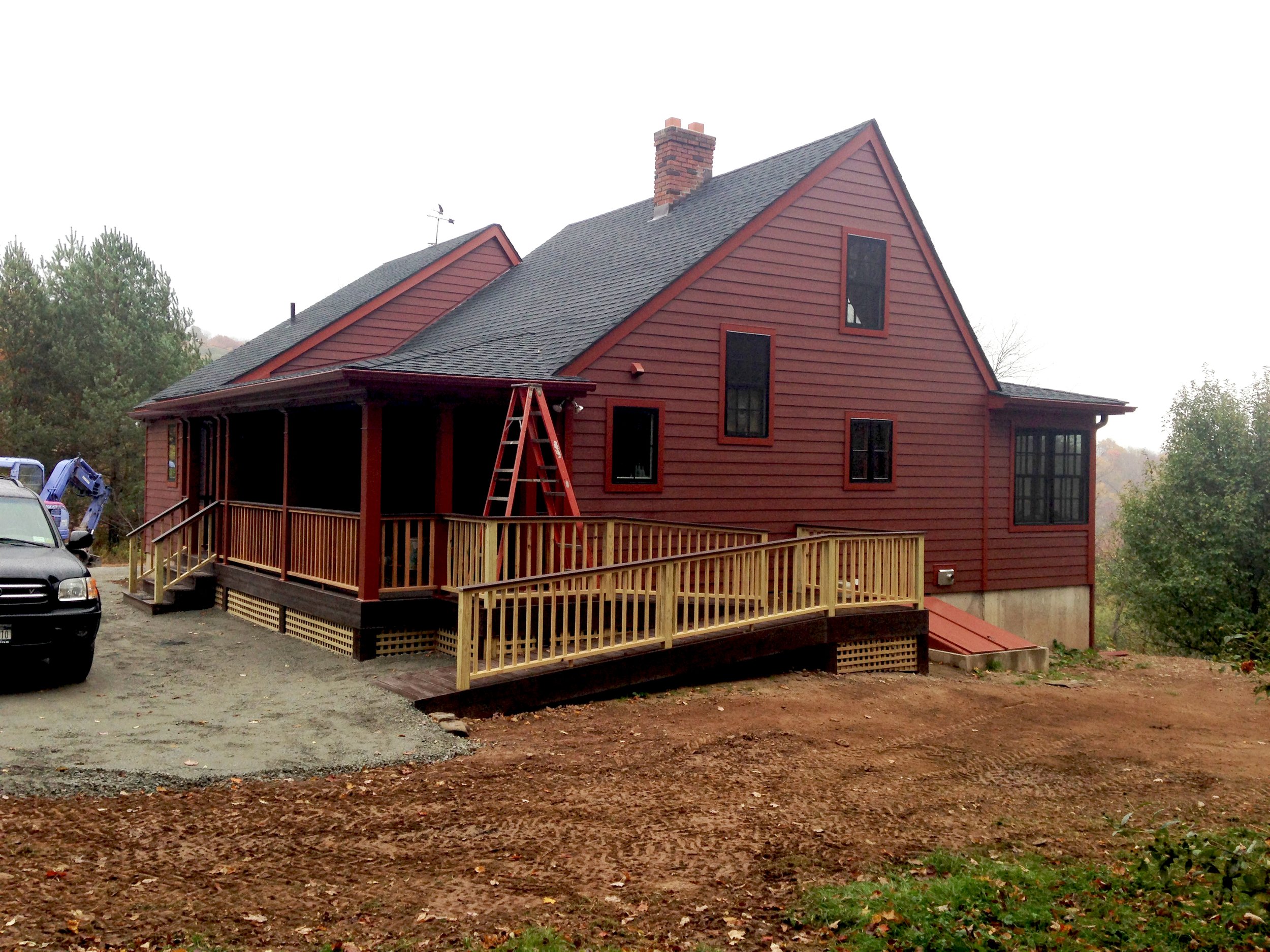
The way we think about retirement is changing. Gone are the days when aging meant automatically packing up and relocating to a distant retirement community. Today, more and more Hudson Valley residents are embracing a concept known as "aging in place" - the idea that we can live safely, comfortably and independently in our own homes for as long as possible.
At its heart, aging in place is about preserving dignity and autonomy. But it’s also about good design - thoughtful architectural choices that anticipate future needs while respecting the beauty and character of your home and surroundings. For our clients across the Hudson Valley, from Rhinebeck to Stone Ridge and beyond, it’s a deeply personal, practical and inspiring approach to home design.
The Origins of Aging in Place:
The aging in place movement gained momentum in the early 2000s, but its roots go back even further. As lifespans increased and baby boomers began to plan for retirement, a growing number of homeowners started asking: “What if I don’t want to leave?”
This sentiment gave rise to a new kind of design thinking - one that balances safety and accessibility with aesthetics and emotional connection to place. The goal isn’t to make a house feel like a hospital. It is to keep the home feeling like home, while making subtle updates that would serve a resident’s needs at every age and stage of life.
The Hudson Valley, with its historic homes, tight-knit communities and strong sense of place, has always been fertile ground for this approach. Many of our clients are long-time homeowners who cherish their land, their views and their neighbors. For them, aging in place isn’t just a trend. It’s a way to preserve their lifestyle, values and independence.
Innovation in Accessible Design:
Thankfully, accessible design has come a long way. Today’s innovations prioritize beauty and seamless integration over institutional aesthetics. Here are just a few of the most popular design solutions we’ve been incorporating into recent residential projects:
Zero-step entries: Eliminating stairs at home entrances provides smoother access not only for wheelchairs and walkers, but for strollers, groceries and aging knees
Wide doorways and hallways: These features make homes easier to navigate with mobility aids and create a more open, airy feel
Curbless showers and spa-like bathrooms: Beautifully tiled, open-concept showers with built-in benches and handheld fixtures blend luxury with functionality. Roll right in…
Main-floor living: Locating all essential spaces (kitchen, bedroom, bathroom and laundry) on the ground floor reduces reliance on stairs and supports long-term mobility
Smart home technology: Motion-activated lighting, remote temperature control, fall detection sensors and voice-activated assistants all enhance safety and convenience
Integrated grab bars and handrails: These are no longer clunky or conspicuous. Modern designs blend seamlessly with cabinetry, walls or even sculptural features.
These upgrades not only support long-term wellness but also boost property value and make the home more welcoming for guests of all ages.
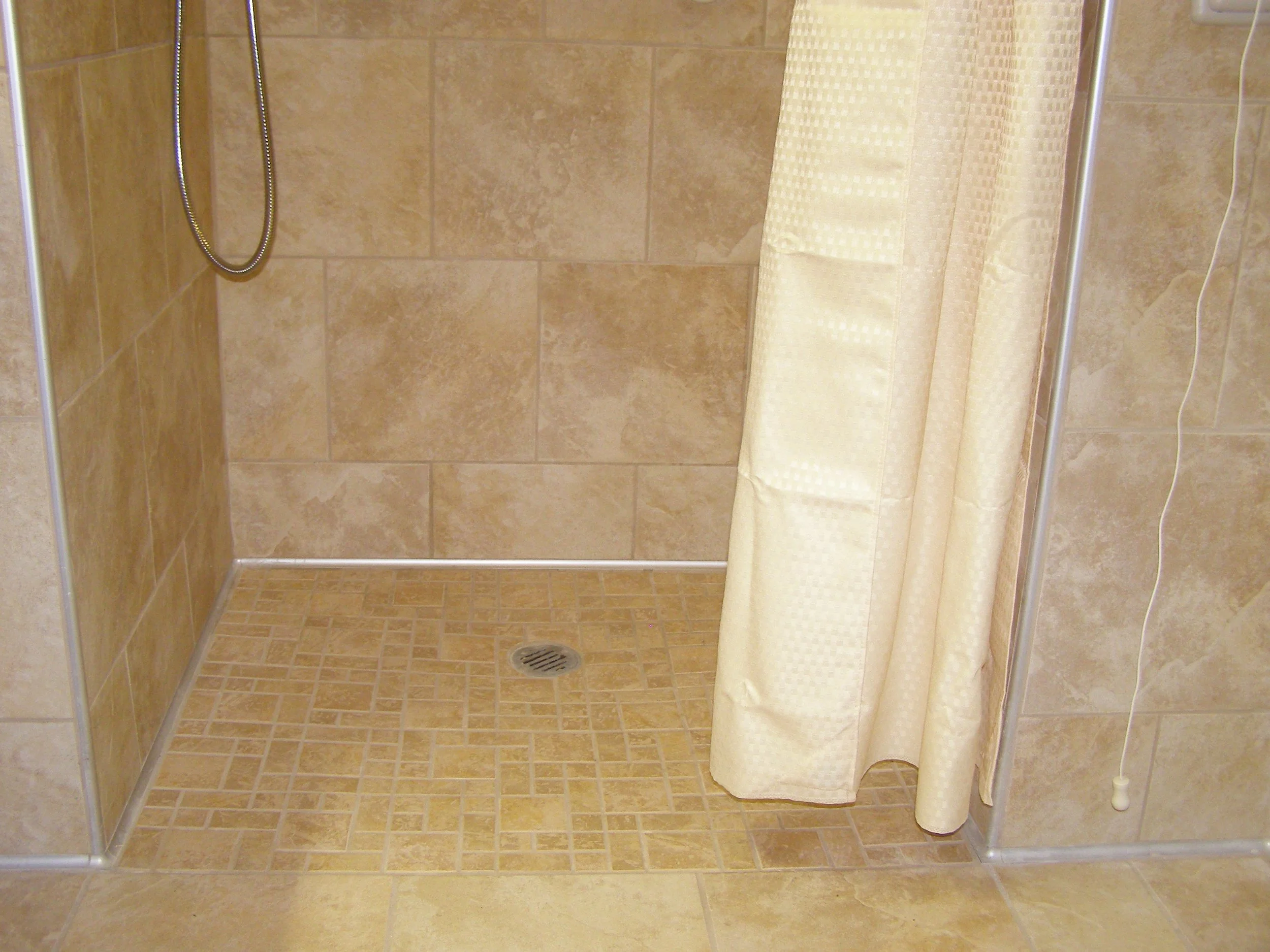
Curbless accessible shower with structural blocking in place for a potential future lifting device.
The Local Context: Aging in the Hudson Valley
Here in the Hudson Valley, our aging population is growing. According to recent census data, nearly 20% of residents in Ulster, Dutchess and Columbia counties are over the age of 65 - and that number is climbing. With many retirees seeking to remain in their communities, there's increasing demand for homes that can gracefully evolve with their inhabitants.
What makes our region unique is the architectural variety and rich history of the homes. Whether it’s a 19th-century farmhouse, a mid-century modern gem or a new custom-build nestled in the hills, every project presents an opportunity to reimagine what aging in place can look like.
At our firm, we approach each project with sensitivity to the home’s original character, the surrounding landscape and the client’s personal goals. That means considering site grading, lighting, circulation and materials that provide both longevity and warmth. It’s not just about accessibility, it’s about joyfully living in place.
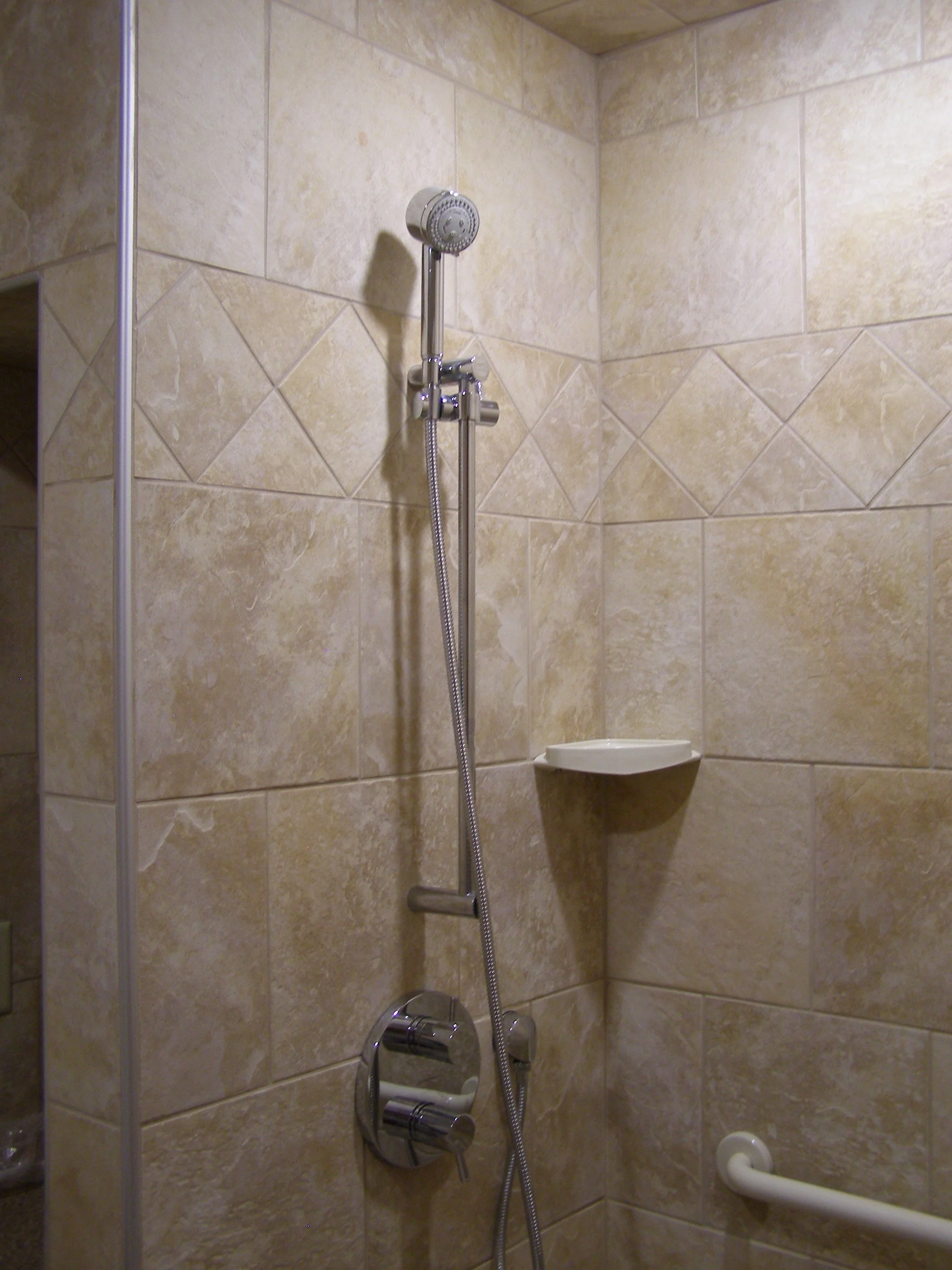
ADA-compliant shower fixture complete with grab bars.
From Renovations to New Builds:
For some clients, aging in place means a full renovation of a cherished home. For others, it’s the chance to design a brand-new residence that thoughtfully anticipates the years ahead. In either case, it’s a design philosophy rooted in empathy, sustainability, and connection.
When we design new homes with future needs in mind, we often start with:
Flexible floor plans
Reinforced framing for future upgrades (like stair lifts or elevators)
Energy-efficient systems to support long-term savings and comfort
Low-maintenance materials indoors and out
We also prioritize access to nature and views - two elements proven to support mental and physical health across the lifespan.
Beyond the Building: Community & Belonging
Designing to age in place isn’t just about physical space. It’s also about staying connected to your community. That might mean a short walk to the farmers market, a screened porch for hosting family and friends, or a garden that brings joy season after season. The Hudson Valley lifestyle - slow-paced, nature-infused and culturally rich - is exactly what many retirees are seeking to hold onto.
Good design supports that. It allows people to not just remain in their homes, but to thrive in them.
Planning Ahead… Because We All Age
Whether you’re nearing retirement or simply thinking ahead, now is the perfect time to explore how your home can evolve with you. Aging in place doesn’t mean compromising, it means customizing. And it’s a choice that can empower you and your family for decades to come.
Our team is passionate about helping our clients create spaces that honor their past, embrace the present and prepare for a vibrant future.
Contact us today to start a conversation about updating your home to support aging in place. After all, no one is immune to time, but we can design to meet it with grace.